Practical Climate Action Training for People, Communities, and the Nonprofits
and Towns That Serve Them

PROVEN, PRACTICAL APPROACH
Get road-tested, affordable, do-it-yourself solutions for a changing climate that you can launch now!

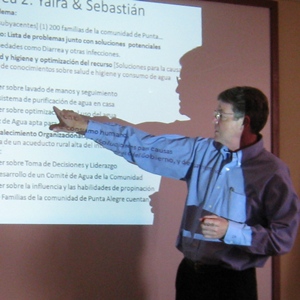
Tim Magee delivering a PowerPoint talk at a live disaster preparedness workshop.
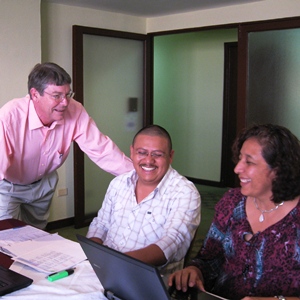
Tim Magee leading a live disaster preparedness workshop talks to 2 participants.
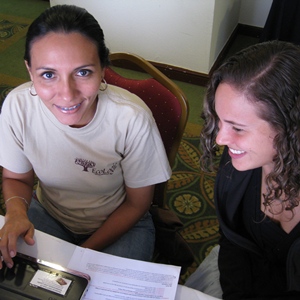
Two women, participants at a live disaster preparedness workshop.
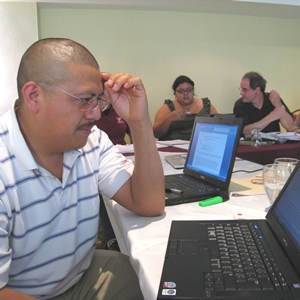
A participant at a live disaster preparedness workshops reading what he's written on his laptop
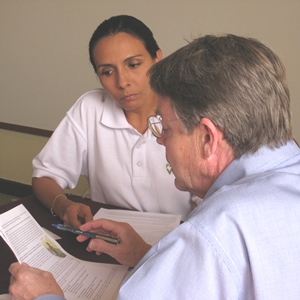
Tim Magee going over an assignment with a woman at a live disaster preparedness workshop.
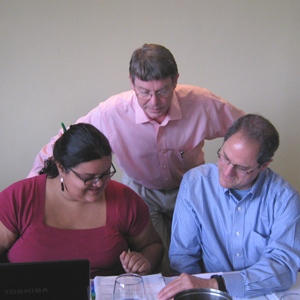
3 People at a live disaster preparedness workshop looking at document they have written.

Live Disaster Preparedness & Climate Action Plan Workshops

On-site workshops for nonprofits and local governments in rural and small-town communities.

Bring hands-on training directly to your organization — tailored to the needs of your community, delivered onsite.

Some communities need more than templates and Zoom calls.
Our live workshops bring people together in the same room to work through real challenges, share local knowledge, and leave with practical plans they can actually use.

Whether onsite or virtual, these facilitated sessions are designed for rural communities that want hands-on guidance, clear outcomes, and momentum.

Who are our workshops for?
We’ve delivered workshops for nonprofits, local governments, and community groups working on disaster preparedness and climate action planning in rural and small-town settings for over 15 years. Each workshop is tailored to the host community and focused on producing concrete results — not reports that sit on a shelf.

What the photos show.
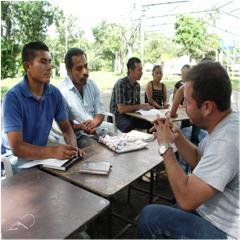
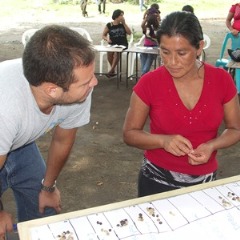
The images below show the field component of a disaster preparedness workshop, where workshop participants team up with community members to identify and prioritize their most urgent needs.

The images above show the in-house component of the workshop that follows, where nonprofit and local government staff use those community-identified priorities to develop an easy-to-follow, practical disaster preparedness or climate action plan.

Overview

Our live workshops provide hands-on, facilitated training for local governments, nonprofits, and community organizations. Workshops can be delivered virtually or hosted in your office or community space.

Programs typically run 3–4 days, depending on the topic and depth of work.

Community members participating in a community based needs assessment about climate change.

Community members identifying shared needs

What Can We Cover Together?

This workshop can help you:

  • Draft or strengthen a community emergency preparedness or climate action plan
  • Conduct a practical needs assessment
  • Identify and prioritize local challenges
  • Explore evidence-based solutions used by similar communities

  • Organize findings into a clear, usable plan
A facilitator during a live disaster preparedness workshop helps a woman decide which community needs to prioritize without influencing her decision.

Helping groups make their own decisions

Optional funding readiness support

  • Expand plans into a simple project outline or logframe
  • Develop a basic monitoring and evaluation approach
  • Create a preliminary budget and timeline
  • Prepare a short, plain-language project fact sheet
  • Get ready for early conversations with partners or funders

Ready to talk about your workshop? Contact us for a quick planning call.

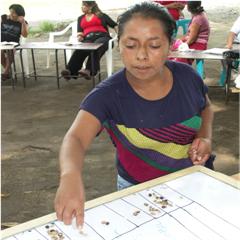
A woman during a live disaster preparedness workshop votes which community needs to prioritize.

Prioritizing concerns through group voting

How the Workshop Works

Workshops are highly interactive and focused on producing real outputs, not just presentations.

  • Online (live, instructor-led), or
  • Onsite at your facility or community venue
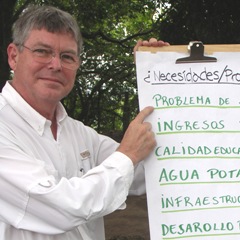
Facilitator Tim Magee discussing the list of community needs as prioritized by community members for a disaster preparedness plan.

Community priorities, ranked by importance

Your Role

You provide:

  • Secure a suitable meeting space for your group (if onsite)
  • Arrange tables, chairs, and basic meeting setup
  • Set up newsprint flip charts, easels, and markers
  • Provide a projector and/or screen
  • Print and distribute workshop materials to participants using files provided by CSDi
  • Light refreshments or meals (optional)
  • Lodging near the venue for the facilitator (if onsite)

Our Role

We provide:

  • Workshop design and facilitation
  • Provide link master copies of all workshop materials in advance for local printing and distribution
  • Provide a link to a master student resources page where the workshop materials (mentioned above) are available for download by participants
  • Guided exercises and group work
  • One-on-one support during the workshop
  • Daily progress check-ins with participant teams

How to Book a Workshop

If you’re interested in hosting a live workshop, contact us to schedule a short introductory Zoom call.
We’ll:
  • Learn about your goals and audience
  • Recommend a workshop format and duration
  • Provide a clear fee structure
  • Outline next steps
Contact us here:

Workshops are ideal for rural communities, small towns, and nonprofit networks seeking practical, facilitator-led support tailored to local needs.